


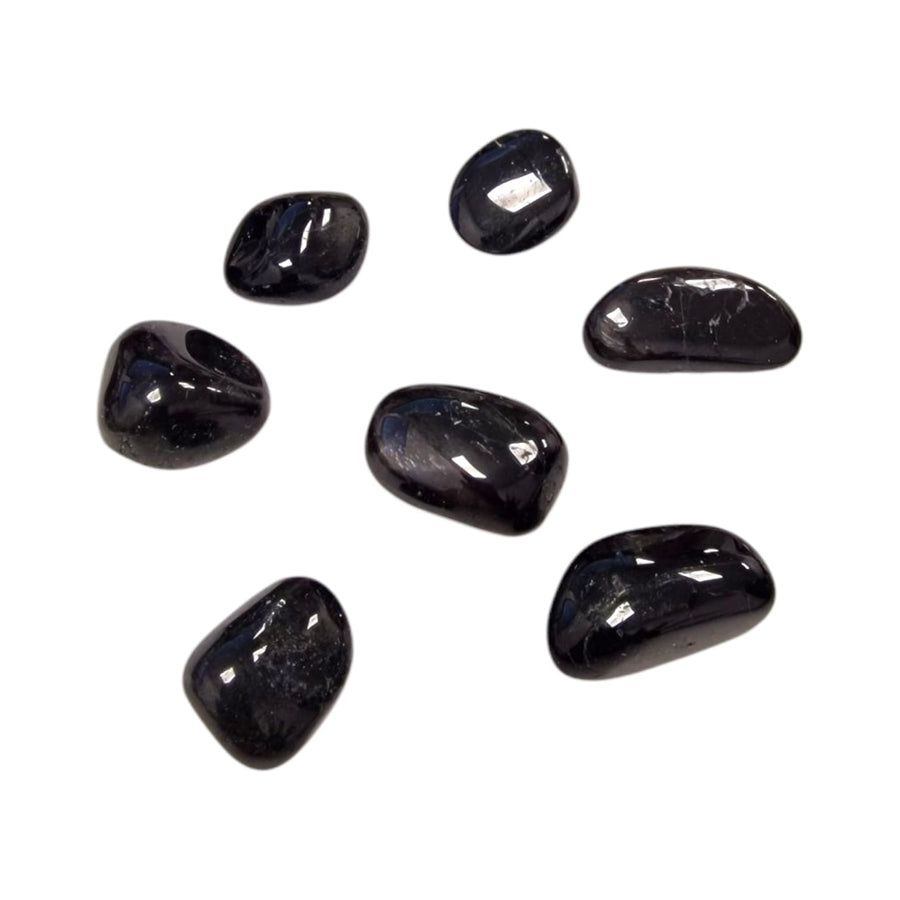

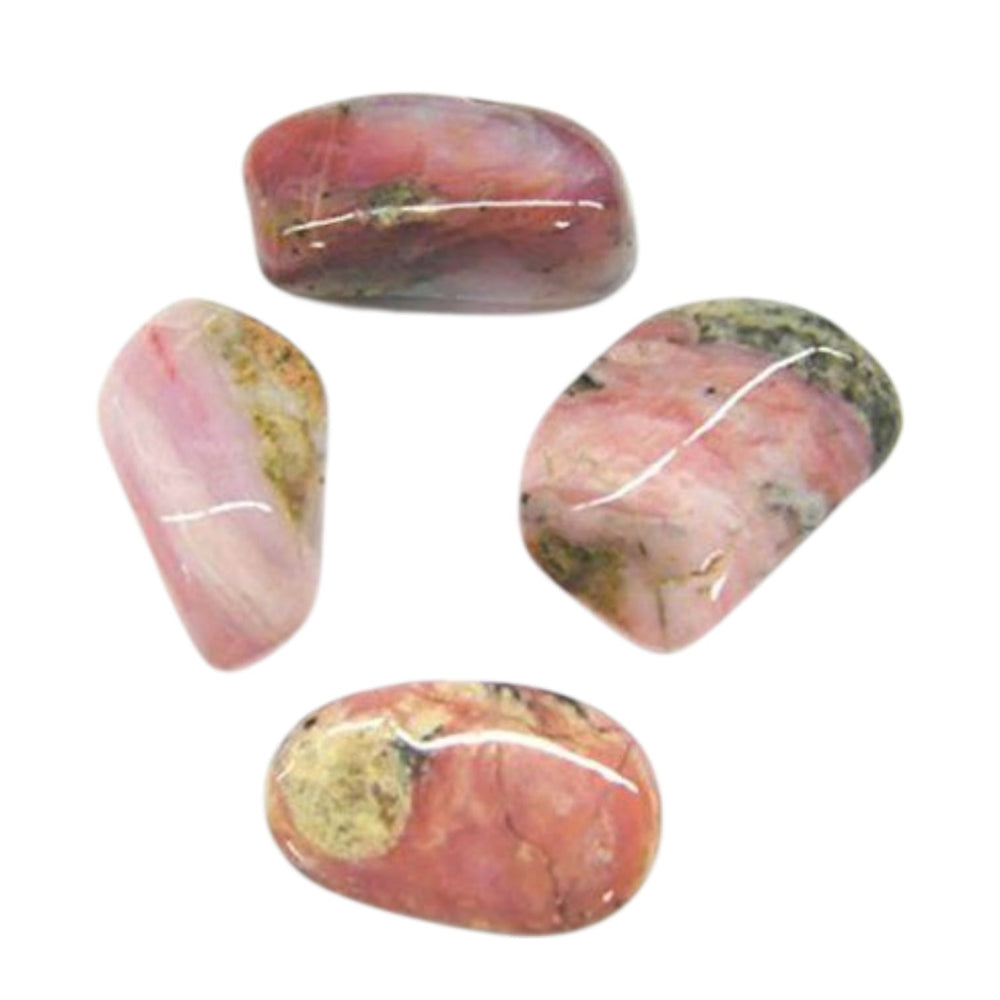

Discover the rich blue colour and natural beauty of our Lapis Lazuli Medium Oval, a polished crystal carving appreciated for its distinctive mineral patterns and traditional associations with wisdom, truth and self-expression.
Lapis Lazuli is a metamorphic rock rather than a single mineral species. Its characteristic blue colour comes primarily from Lazurite, a member of the Sodalite mineral group. It may also contain white Calcite, golden metallic Pyrite and other naturally occurring minerals.
The smooth oval shape highlights the depth of the blue colour and the contrasting mineral inclusions, making each piece unique. The polished surface is comfortable to hold and suitable for crystal collections, meditation, decorative displays and thoughtful gifts.
The oval shape is traditionally associated with balance, continuity and harmony. In crystal practices, it is often chosen as a tactile focus for meditation and reflection.
Metaphysical Properties
Wisdom: Lapis Lazuli has long been symbolically associated with knowledge, understanding and the pursuit of truth.
Communication: Traditionally used in crystal practices to encourage honest expression and confidence when communicating thoughts and ideas.
Intuition: Associated with inner awareness, reflection and exploring personal insights.
Self-Expression: Symbolically linked with authenticity, individuality and speaking one's truth.
Harmony: The smooth oval shape is traditionally associated with balance, calm reflection and emotional awareness.
These metaphysical associations are based on historical symbolism and contemporary crystal traditions rather than scientifically established effects.
Key Features
-
Material: Natural Lapis Lazuli
-
Shape: Polished Oval
-
Size Category: Medium
-
Colour: Deep blue, potentially with white and golden inclusions
-
Finish: Smooth, polished
-
Principal Mineral: Lazurite
-
Additional Minerals: May include Calcite and Pyrite
-
Product Type: Crystal Carving
Scientific Information
|
Property |
Information |
|---|---|
|
Material |
Lapis Lazuli |
|
Classification |
Metamorphic rock |
|
Principal Blue Mineral |
Lazurite |
|
Mineral Group |
Sodalite Group (Lazurite) |
|
Chemical Composition |
Variable; predominantly Lazurite with associated minerals |
|
Crystal System |
Isometric (Lazurite) |
|
Mohs Hardness |
Approximately 5–5.5 |
|
Colour |
Blue to deep royal blue |
|
Common Inclusions |
Calcite and Pyrite |
|
Finish |
Polished |
|
Shape |
Oval |
Lapis Lazuli is a rock composed of several minerals, so its chemical composition and physical properties vary between specimens.
Chakra Associations
-
Third Eye Chakra: Traditionally associated with intuition, insight and inner wisdom.
-
Throat Chakra: Linked with communication, honesty and authentic self-expression.
Zodiac Associations
-
Sagittarius: Associated with wisdom, exploration and the pursuit of knowledge.
-
Libra: Symbolically connected with harmony, balance and thoughtful communication.
-
Virgo: Traditionally associated with discernment, clarity and reflection.
Element Association
- Air: Associated with communication, knowledge, mental clarity and expression
UV Fluorescence – Lapis Lazuli
Your Lapis Lazuli can display yellow, orange and red fluorescence under ultraviolet light, with responses observed across:
-
Long Wave (LW) UV
-
Medium Wave (MW) UV
-
Short Wave (SW) UV
The fluorescent response can arise from associated minerals, particularly Calcite, rather than necessarily from the blue Lazurite itself.
Crystal Pairing
-
Crystal Quartz: Traditionally paired with Lapis Lazuli to complement intentions relating to clarity and awareness.
-
Sodalite: Associated with communication, rational thought and personal insight.
-
Amethyst: Symbolically linked with intuition, reflection and contemplative practices.
Why Choose a Lapis Lazuli Oval?
The polished oval shape is particularly suitable for holding during meditation, displaying alongside other crystals or incorporating into a decorative mineral collection.
Unlike a sphere or pointed carving, an oval offers a smooth, elongated form that highlights the stone's natural patterns while providing a comfortable surface to hold.
Lapis Lazuli also has an extensive cultural history. It was valued in ancient Egypt and Mesopotamia for jewellery, decorative objects and pigments, and remains popular with mineral collectors and crystal enthusiasts.
Care Instructions
Lapis Lazuli is relatively sensitive to acids, harsh cleaning products and prolonged exposure to moisture.
Clean gently using a soft, dry cloth. Avoid ultrasonic cleaners, chemical treatments and prolonged soaking.
Protect the polished surface from scratches and knocks.
Frequently Asked Questions
What is Lapis Lazuli made from?
Lapis Lazuli is a metamorphic rock composed primarily of Lazurite, often with Calcite, Pyrite and other minerals.
Why does Lapis Lazuli contain golden flecks?
The golden metallic flecks commonly found in Lapis Lazuli are Pyrite, an iron sulphide mineral.
Is Lapis Lazuli a mineral?
No. Lapis Lazuli is a rock made up of several minerals rather than a single mineral species.
What is the significance of the oval shape?
In contemporary crystal traditions, oval carvings are associated with balance, continuity and harmony. Their smooth shape also makes them comfortable to hold.
Will every Lapis Lazuli Oval look identical?
No. Natural variations in blue colour, mineral inclusions and pattern are expected.
Location
Origin: Afghanistan
Lapis Lazuli is found in several regions worldwide, including, Chile and Russia.
Please Note
Each Lapis Lazuli Medium Oval is a natural stone carving. Variations in colour, Pyrite inclusions, Calcite veining and surface pattern are expected.
The precise dimensions, weight and selection method have not yet been supplied and should be confirmed before publication.
Shipping Information
We offer reliable and carefully managed delivery services to ensure your order arrives safely and securely.
Royal Mail Tracked 48 — £3.80
Available for smaller parcels weighing up to 2kg, with an estimated delivery time of 2–3 working days after dispatch.
DHL / DPD Courier Delivery — £6.87
Available for UK mainland deliveries weighing up to 20kg, providing a reliable service for larger or heavier orders.
All orders are carefully packaged to protect your specimens during transit.
Shipping options and applicable charges are confirmed at checkout.
Thank you for choosing GeoFossils.
You may also like

More from GeoFossils
Recently viewed