

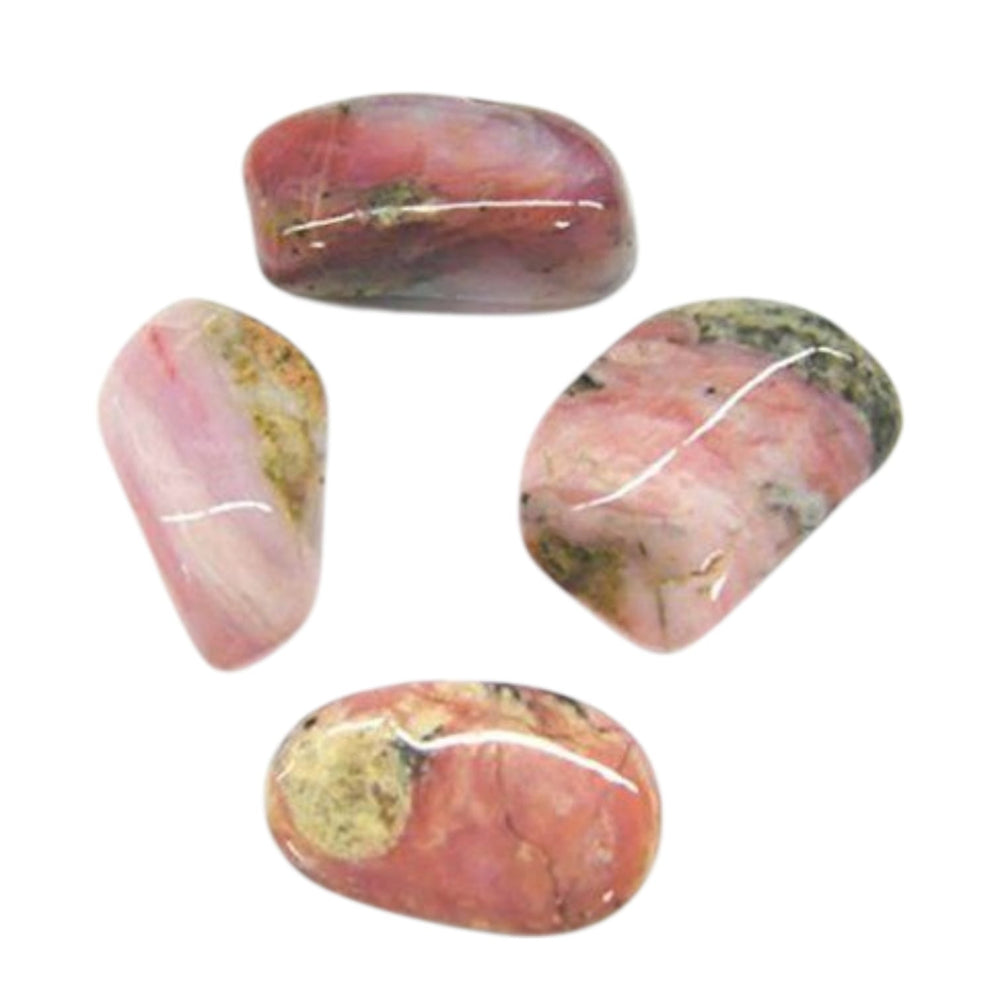

Discover the Fascinating World of Fluorescent Minerals
Explore our carefully curated collection of Fluorescent Minerals, selected for their remarkable ability to emit visible light when exposed to ultraviolet (UV) illumination. From subtle pastel hues to vivid displays of colour, these natural specimens reveal hidden characteristics that cannot be seen under ordinary daylight.
Whether you are an experienced collector, educator, museum curator, photographer or simply discovering the world of mineral fluorescence, our collection showcases authentic specimens chosen for their visual appeal, geological significance and educational value.
Every fluorescent mineral is naturally unique, offering its own combination of colour, intensity and mineralogical features.
What Are Fluorescent Minerals?
Fluorescent minerals contain naturally occurring activator elements or structural characteristics that absorb ultraviolet energy and immediately release it as visible light. This phenomenon is known as fluorescence.
Different minerals respond differently depending on their chemical composition, impurities and crystal structure. Some display a single colour, while others can exhibit multiple colours under different ultraviolet wavelengths.
Once the ultraviolet light source is removed, most fluorescent minerals immediately stop glowing. A small number may continue to emit light briefly, a phenomenon known as phosphorescence.
Understanding Ultraviolet Light
Fluorescence can vary depending on the wavelength of ultraviolet light used during observation.
Long Wave (LW) Ultraviolet
Long Wave ultraviolet light, typically around 365 nanometres, is the most commonly used wavelength by collectors. Many fluorescent minerals display bright and vibrant colours under Long Wave illumination.
Short Wave (SW) Ultraviolet
Short Wave ultraviolet light, approximately 254 nanometres, often produces stronger or entirely different fluorescence in certain mineral species. Some specimens only fluoresce under Short Wave ultraviolet light.
Medium Wave (MW) Ultraviolet
Medium Wave ultraviolet light falls between Long Wave and Short Wave wavelengths. Although less commonly used, some minerals respond uniquely under Medium Wave illumination.
Where known, our product listings clearly identify the ultraviolet wavelength or wavelengths that produce fluorescence.
Why Do Minerals Glow?
Fluorescence occurs when ultraviolet energy excites electrons within a mineral's atomic structure. As these electrons return to their normal energy state, they release visible light.
The colour produced depends upon the mineral's chemistry and the specific activator elements present, such as manganese, rare earth elements or uranium. Even specimens from the same locality can display noticeable differences in colour and brightness.
What You Will Find in This Collection
Our Fluorescent Minerals collection includes a wide variety of naturally fluorescent specimens, including examples suitable for:
- Mineral collecting
- Educational demonstrations
- Geological study
- Museum displays
- Ultraviolet photography
- Scientific observation
- Home and office displays
Our catalogue continues to expand as we source new material from reputable suppliers and recognised mineral localities around the world.
Quality and Authenticity
Every specimen is individually assessed before being offered for sale. Where fluorescence has been confirmed, we identify the observed ultraviolet response within the product description.
Whenever possible, product listings include:
- The ultraviolet wavelength used during testing.
- The observed fluorescent colour or colours.
- The locality where the specimen was collected.
- Accurate mineral identification.
- High-quality photographs showing the actual specimen or representative example, as stated in the listing.
Caring for Fluorescent Minerals
Fluorescent minerals require very little maintenance.
To help preserve their appearance:
- Store specimens away from prolonged direct sunlight.
- Handle delicate crystal formations with care.
- Keep specimens clean using a soft, dry brush where appropriate.
- Avoid unnecessary exposure to chemicals or abrasive cleaning materials.
Ultraviolet examination does not normally damage mineral specimens when appropriate lamps are used responsibly.
Frequently Asked Questions
Are fluorescent minerals natural?
Yes. Fluorescence is a naturally occurring property found in many mineral species and is not artificially added.
Do all specimens glow equally brightly?
No. The intensity of fluorescence varies depending on the mineral species, locality, chemistry and individual specimen.
Do fluorescent minerals glow in normal daylight?
No. Most fluorescent minerals require ultraviolet illumination before visible fluorescence can be observed.
Which ultraviolet torch is best?
This depends on the mineral being examined. Some specimens respond best under Long Wave ultraviolet light, while others require Short Wave or Medium Wave ultraviolet light. Individual product listings identify the known response whenever this information is available.
Are fluorescent minerals suitable for beginners?
Yes. Many fluorescent minerals are ideal for newcomers and provide an engaging introduction to mineral collecting and geological science.
Are these suitable for educational use?
Absolutely. Fluorescent minerals are widely used by schools, colleges, universities, museums and geology groups to demonstrate mineralogy and the interaction between ultraviolet light and naturally occurring minerals.
Why Choose GeoFossils?
At GeoFossils, we are passionate about sharing the beauty and scientific importance of the natural world. Our fluorescent mineral collection has been assembled with collectors, educators and enthusiasts in mind, offering genuine specimens sourced from trusted suppliers and carefully described using accurate mineralogical information.
Whether you are searching for your first fluorescent specimen or expanding an established collection, you can explore with confidence knowing each listing has been created to provide clear, informative and transparent product information.


