Monturaqui Impactite
1 product

1 product
Discover Monturaqui Impactite, impact-generated material formed during the meteorite collision that created the Monturaqui Impact Crater in northern Chile.
The Monturaqui Impact Crater lies in the Atacama region of northern Chile, within Antofagasta. It is a confirmed meteorite impact structure formed when an iron-nickel impactor struck the terrestrial surface at extreme velocity. The Meteoritical Bulletin records Monturaqui as an impact crater in Antofagasta, Chile.
During the impact, enormous pressures and temperatures affected the rocks at the impact site. Target rocks were fractured, shocked and locally melted, producing impact melt material known as impactite.
Scientific studies of Monturaqui impact melt describe material composed largely of glassy melt and fragments of the local target rocks. Researchers have also identified small iron-nickel metal and sulphide droplets within the impact glass, providing evidence of interaction between the incoming impactor and terrestrial material during the event.
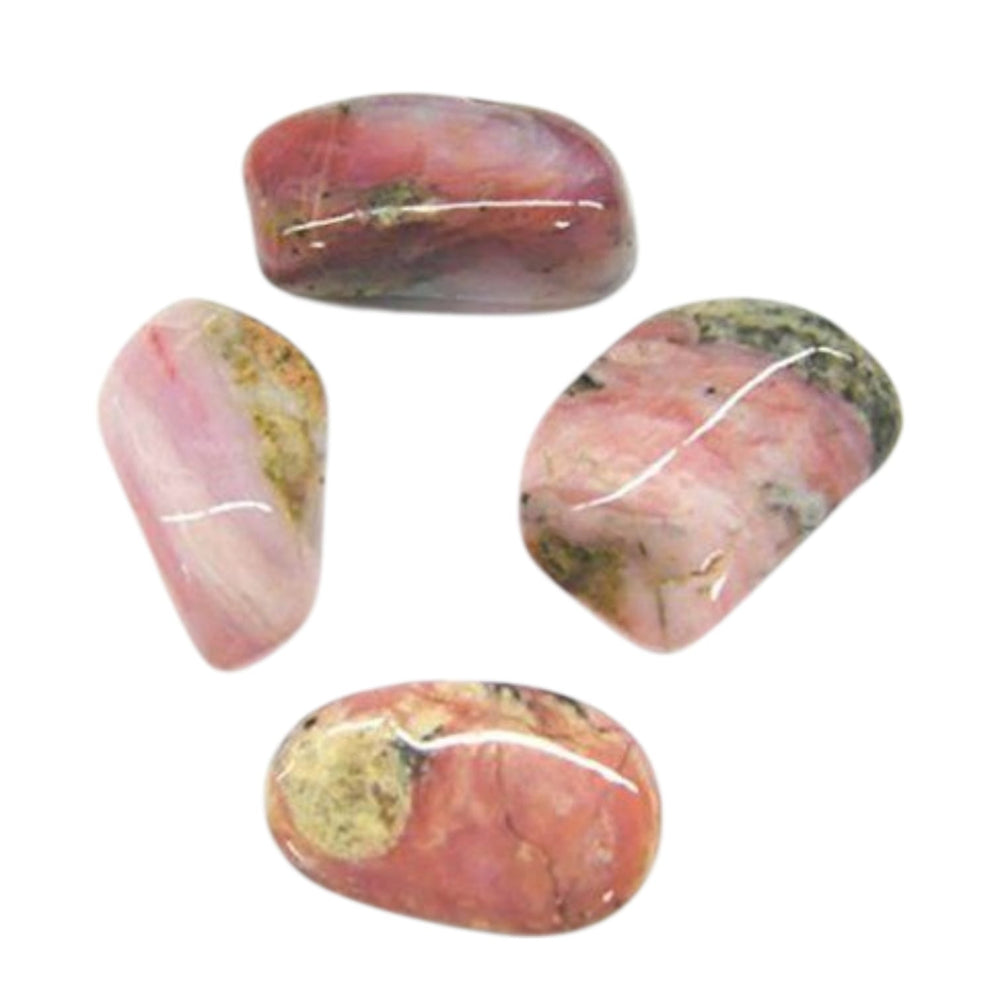
Monturaqui Impactite therefore preserves physical evidence of a high-energy extraterrestrial impact on Earth. Each specimen can display different combinations of melt material, rock fragments, vesicular textures and weathered surfaces depending on its individual formation and subsequent terrestrial history.
Our Monturaqui Impactite collection has been selected for its geological interest, provenance and connection with this recognised Chilean impact structure.
Impactite is a general term for terrestrial rock that has been created or significantly modified by the extreme pressures and temperatures generated during a meteorite impact.
At Monturaqui, the impact affected local rocks including granite and ignimbrite, producing impact melt containing glass and fragments of the original target material. Scientific examination has also found small Fe-Ni metal and sulphide particles within some of the glassy material.
This means Monturaqui Impactite should not be described as a meteorite.
The meteorite was the extraterrestrial object that struck Earth. The impactite is predominantly terrestrial material transformed by that collision, although some impact melt can contain small components derived from the impactor.
Monturaqui is a relatively small, simple impact crater situated in the high Atacama Desert of northern Chile.
Published scientific studies describe the crater as approximately 350–400m across, although reported measurements vary depending on methodology. The structure formed in a target containing granite overlain by ignimbrite.
The exact age has been investigated using several dating techniques. Published research has placed its formation broadly within the hundreds of thousands of years range, while the Meteoritical Bulletin conservatively records the crater as less than 1 million years old.
For the GeoFossils collection, I would therefore use “<1 million years” rather than presenting a more precise date as settled fact.
| Property | Information |
|---|---|
| Material | Monturaqui Impactite |
| Material Type | Impactite / Impact Melt Rock |
| Origin | Terrestrial target rock modified by meteorite impact |
| Impact Structure | Monturaqui Impact Crater |
| Country | Chile |
| Region | Antofagasta |
| Environment | Atacama Desert |
| Crater Type | Simple Impact Crater |
| Crater Diameter | Approximately 350–400m |
| Crater Age | <1 million years |
| Impactor | Iron-Nickel Meteorite |
| Target Material | Granite and overlying ignimbrite |
| Associated Material | Impact melt, glass, rock fragments and Fe-Ni ± sulphide particles |
Scientific studies support the crater dimensions, target geology, impact-melt characteristics and metallic components described above.
| Feature | Significance |
|---|---|
| Confirmed impact origin | Material associated with a recognised meteorite impact structure |
| Chilean locality | Originates from the Monturaqui impact site in northern Chile |
| Impact-generated material | Records extreme geological processes produced during a meteorite collision |
| Impact melt textures | Some material preserves glassy, fragmental or vesicular characteristics |
| Impactor interaction | Some impact glass contains microscopic Fe-Ni and sulphide components |
| Geological specimen | Provides a physical example of terrestrial rocks transformed by extraterrestrial impact |
A meteorite is material originating from an extraterrestrial body that survives its passage through Earth's atmosphere and reaches the ground.
An impactite is terrestrial material that has been melted, shocked, fractured or otherwise transformed during a meteorite impact.
Monturaqui Impactite is therefore associated directly with a meteorite collision, but the impactite itself should not be sold or described as a meteorite.
This distinction is important scientifically and forms part of the way GeoFossils separates Meteorites from Impactites & Impact Glass.
GeoFossils sources impactites and impact-related materials through established suppliers and collectors, with locality and provenance considered an important part of specimen identification.
Monturaqui specimens offered within this collection are represented as impactite associated with the Monturaqui Impact Crater, Chile, rather than as fragments of the original meteorite.

Our Best Seller
Your all-in-one spiritual toolkit for cleansing, protection, and clarity — packed with sage, pendulum, black tourmaline, selenite, chakra stones, and more. Designed to help you reset, realign, and reconnect.

Libra Season begins when the Sun enters the zodiac sign of Libra, from 23 September to 22 October. In astrology, this period is traditionally associated with balance, harmony, connection and diplomacy. It is often seen as a time to restore equilibrium, nurture meaningful relationships and bring greater beauty and intention into everyday life. Whether you're a Libra or simply enjoy following the zodiac, Libra Season offers an opportunity to seek harmony, embrace collaboration and create a sense of balance between your own needs and those around you.

Explore the power of crystals and rituals on our blog—awaken your energy, deepen your spiritual journey, and invite meaningful transformation.

