

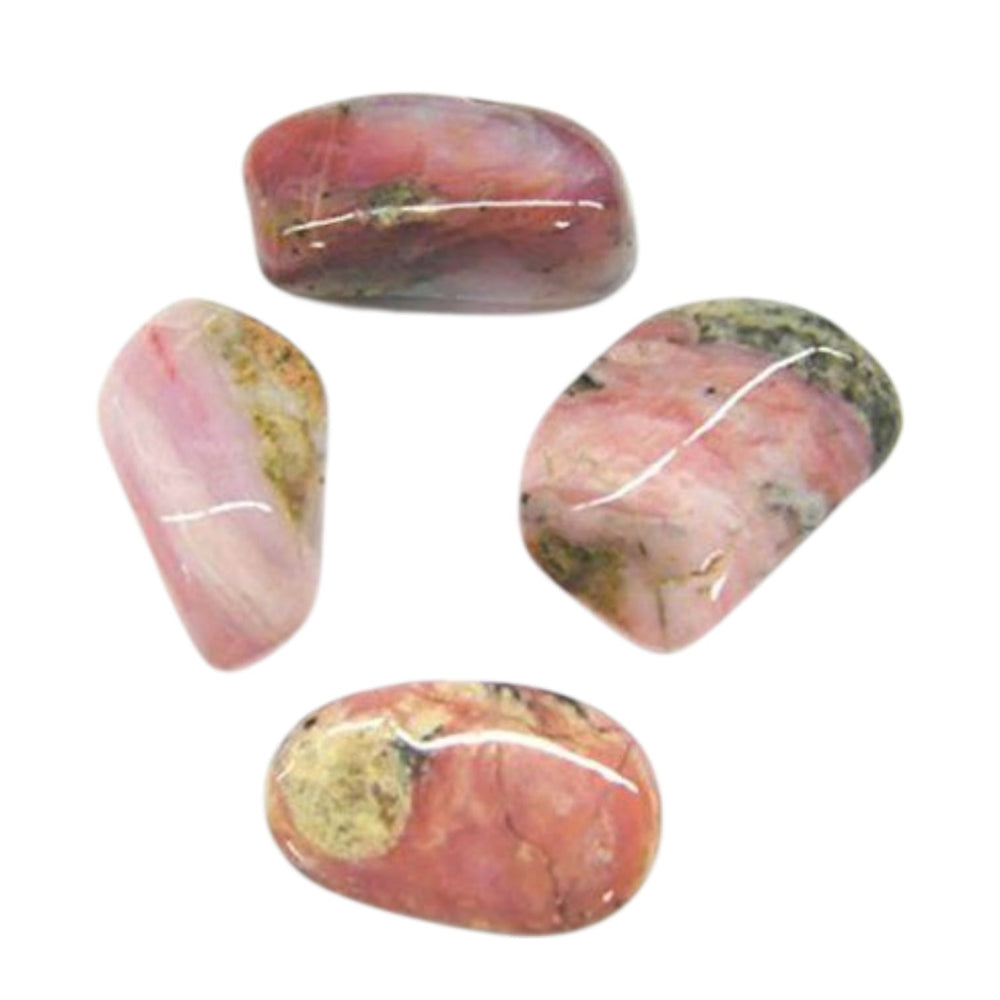

This Bi-Colour Aragonite crystal cluster from La Pesquera, Cuenca, Spain, displays smoky purple centres contrasting with pale straw-yellow to yellow-green outer areas. Its intergrown crystals bring together distinctive colour zoning and the chunky crystal forms associated with this Spanish locality.
Aragonite is a calcium carbonate mineral valued by collectors for its varied growth patterns. This specimen offers a closer look at the relationship between colour, crystal growth and mineral structure, making it an engaging addition to a Spanish mineral collection or a display of naturally colourful crystals.
Mineral Composition and Formation
Aragonite has the chemical formula CaCO₃. It shares this composition with Calcite, but the two minerals have different crystal structures—a relationship known as polymorphism.
Aragonite belongs to the orthorhombic crystal system. Repeated twinning, where crystals grow together in specific orientations, can produce an apparently six-sided outline. This is called pseudohexagonal twinning: the crystals can look hexagonal without belonging to the hexagonal crystal system.
| Property | Information |
|---|---|
| Mineral | Aragonite |
| Mineral group | Carbonates |
| Chemical formula | CaCO₃ |
| Crystal system | Orthorhombic |
| Characteristic growth | Twinned crystals and intergrown aggregates |
| Specimen colour | Purple with pale straw-yellow to yellow-green areas |
| Mohs hardness | 3½–4 |
| Labelled locality | La Pesquera, Cuenca, Castilla-La Mancha, Spain |
Why Is La Pesquera Important?
La Pesquera is a recognised Spanish Aragonite locality, documented for twinned crystals with purple colouration and contrasting lighter zones.
Specimens from the area occur in Keuper sedimentary deposits of Triassic age, associated with evaporite environments. This describes the geological setting; it does not establish the precise age of this individual crystal cluster.
The purple centres and paler outer areas make this Bi-Colour Aragonite crystal cluster particularly interesting for collectors exploring colour zoning and Spanish mineral localities.
History and Name
Aragonite’s name is associated with Molina de Aragón in Guadalajara, Spain, its type locality. La Pesquera is a separate collecting locality in Cuenca.
Its scientific importance includes its relationship with Calcite: both are calcium carbonate, yet their different internal structures produce different mineral species and crystal forms.
Metaphysical Properties — Contemporary Crystal Associations
In contemporary crystal practice, Aragonite is associated with grounding, patience and a connection to the natural world. Some people choose it as a focus for meditation, reflection or setting intentions around steadiness and practical action.
These are spiritual and symbolic associations, rather than scientifically established effects. There is no universally agreed set of correspondences specifically for bi-colour Aragonite.
Chakra Association
-
Root Chakra: associated symbolically with grounding, stability and a sense of connection.
-
Earth Star Chakra: used in some contemporary practices as a symbol of connection with the Earth.
Zodiac Connection
-
Capricorn: commonly associated with Aragonite in contemporary crystal traditions, reflecting themes of patience, perseverance and practicality.
Element
-
Earth: symbolically connected with steadiness, physical surroundings and an appreciation of nature.
Crystal Pairing
For personal crystal practice, this specimen can be displayed alongside Smoky Quartz or Black Tourmaline as part of an arrangement centred on grounding symbolism.
For a geological display, pair it with Calcite to compare two minerals with the same chemical composition but different crystal structures.
Location
La Pesquera, Cuenca, Castilla-La Mancha, Spain.
Locality information follows the accompanying specimen label.
What You Will Receive
Please note you will receive the exact mineral as shown in image.
Care
Aragonite is relatively soft and brittle. Support the cluster from underneath and protect projecting crystals from knocks or pressure.
Dust gently with a soft, dry brush. Avoid acids, vinegar, chemical cleaners, ultrasonic cleaning and prolonged soaking. Store separately from harder minerals to help prevent scratches and damage.
Frequently Asked Questions
What is Bi-Colour Aragonite?
Bi-Colour Aragonite is a descriptive name for Aragonite displaying two contrasting colour zones. It is not a separate mineral species.
Why does this Aragonite look six-sided?
Aragonite can form repeated twins that create an apparently six-sided outline. Its crystal system remains orthorhombic.
What makes La Pesquera Aragonite distinctive?
Documented specimens include twinned crystals with purple centres and lighter outer zones. This combination makes the locality of interest to collectors of Spanish minerals.
Is Aragonite the same as Calcite?
No. Both have the formula CaCO₃, but their atoms are arranged differently, making them distinct mineral species.
Which chakra, zodiac sign and element are associated with Aragonite?
Contemporary crystal traditions commonly connect Aragonite with the Root Chakra, Capricorn and the Earth element. Some also include the Earth Star Chakra. These associations are symbolic rather than scientific.
Shipping Information
We offer reliable and carefully managed delivery services to ensure your order arrives safely and securely.
Royal Mail Tracked 48 — £3.80
Available for smaller parcels weighing up to 2kg, with an estimated delivery time of 2–3 working days after dispatch.
DHL / DPD Courier Delivery — £6.87
Available for UK mainland deliveries weighing up to 20kg, providing a reliable service for larger or heavier orders.
All orders are carefully packaged to protect your specimens during transit.
Shipping options and applicable charges are confirmed at checkout.
Thank you for choosing GeoFossils.
You may also like

More from GeoFossils
Recently viewed