

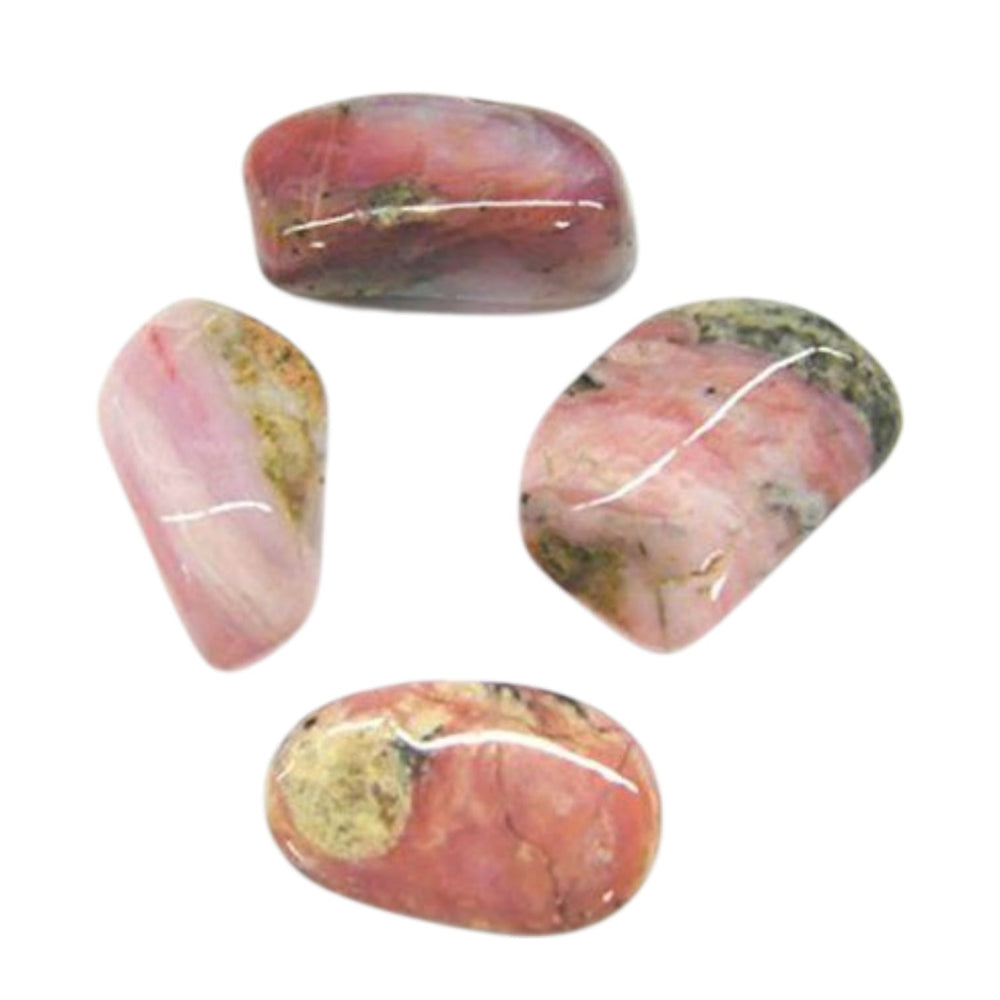

This Aerinite mineral specimen from Estopiñán del Castillo, Huesca, Spain, displays rich blue mineral coverage contrasting with grey-beige areas of matrix. Its irregular shape and textured surface make it an engaging specimen for collectors interested in Spanish minerals, unusual silicates and the history of natural pigments.
Aerinite is an uncommon blue silicate mineral with a connection to both mineralogical discovery and medieval art. Estopiñán del Castillo is especially significant because its municipality includes the mineral’s type locality—the reference locality associated with its original scientific description.
This aerinite mineral specimen brings together distinctive colour, Spanish geological heritage and a mineral species once used to create blue pigments for Romanesque wall paintings.
Mineral Composition and Formation
Aerinite is a complex hydrated silicate containing calcium, sodium, iron, aluminium and magnesium, together with carbonate. It typically occurs as fine fibrous aggregates, compact masses and coatings.
In the southern Pyrenees, aerinite occurs in veins and fractures within altered dolerite, locally known as ophite. Its formation is associated with relatively low-temperature hydrothermal conditions.
Mineral properties
| Property | Information |
|---|---|
| Mineral | Aerinite |
| Mineral class | Silicate |
| Composition | Complex hydrated carbonate-bearing silicate |
| Crystal system | Trigonal |
| Typical habit | Fibrous aggregates, compact masses and coatings |
| Typical colour | Blue to blue-green |
| Mohs hardness | Approximately 3 |
| Labelled locality | Estopiñán del Castillo, Huesca, Aragón, Spain |
History and Locality Significance
Aerinite was first scientifically described in 1876. Its name derives from the Greek aerinos, referring to its sky-blue colour.
Caserras del Castillo, within the municipality of Estopiñán del Castillo, is recognised as its type locality. A type locality provides a historical reference point for a mineral species; it does not mean that the mineral occurs only there.
The wider Estopiñán area contains important aerinite occurrences. This specimen’s accompanying label identifies Estopiñán del Castillo, but does not specify a quarry or individual collecting site.
Aerinite also has an important place in art history. It was ground into blue pigment for medieval Romanesque murals in the Pyrenees, including paintings at Sant Climent de Taüll. Its historical use connects mineral collecting with the materials and craftsmanship of medieval artists.
Metaphysical Properties — Contemporary Associations
Within contemporary crystal practice, aerinite’s blue colour can be used symbolically to represent communication, reflection and personal expression.
The associations below are suggested symbolic correspondences rather than a universally agreed tradition for aerinite. They describe spiritual beliefs and personal practice, not scientifically established mineral properties or effects.
Chakra
-
Throat Chakra: symbolic association with communication and self-expression.
-
Third Eye Chakra: symbolic association with contemplation and insight.
Zodiac
-
Sagittarius: suggested symbolic connection with exploration and the pursuit of knowledge.
-
Virgo: suggested symbolic connection with observation and thoughtful study.
Aerinite has no universally recognised zodiac attribution.
Element
-
Air: suggested symbolic association with thought, communication and the mineral’s sky-blue name.
Crystal Pairing
For a display exploring historical blue pigments, aerinite can be placed alongside azurite and lapis lazuli. This offers a useful comparison of different mineral materials used to produce blue colours.
For personal crystal practice, clear quartz may be chosen as a visual companion. Such pairings are a matter of preference and symbolism.
Location
Estopiñán del Castillo, Huesca, Aragón, Spain.
Locality information follows the accompanying specimen label.
Please Note
Please note you will receive the exact mineral as shown in image.
Natural surface irregularities, fractures and variations in colour form part of the specimen’s character. Colour appearance can vary with lighting and screen settings.
Care
Aerinite is relatively soft, with a Mohs hardness of approximately 3. Handle gently, support the specimen from underneath and protect it from rubbing against harder minerals.
For routine care, use minimal, gentle dry dusting. Avoid soaking, vigorous brushing, chemical cleaners, ultrasonic cleaning and heat.
Frequently Asked Questions
What is Aerinite?
Aerinite is an uncommon blue to blue-green hydrated silicate mineral, usually found as fibrous aggregates, compact masses or coatings.
Why is Estopiñán del Castillo important for aerinite?
Its municipality includes Caserras del Castillo, the recognised type locality of Aerinite. The surrounding area also contains important occurrences of the mineral.
Was Aerinite used in medieval paintings?
Yes. Aerinite was used as a blue pigment in Romanesque murals in the Pyrenees, including paintings at Sant Climent de Taüll.
Is Aerinite the same mineral as azurite?
No. Aerinite is a silicate mineral, whereas Azurite is a copper carbonate mineral. Both have been used as blue pigments.
Does this specimen come from Soriana Quarry?
The accompanying label states Estopiñán del Castillo, Spain. It does not identify Soriana Quarry, so a more specific collecting site cannot be confirmed.
Is Aerinite suitable for jewellery?
Its relatively low hardness and often delicate aggregate texture make it better suited to protected mineral displays than everyday jewellery.
Shipping Information
We offer reliable and carefully managed delivery services to ensure your order arrives safely and securely.
Royal Mail Tracked 48 — £3.80
Available for smaller parcels weighing up to 2kg, with an estimated delivery time of 2–3 working days after dispatch.
DHL / DPD Courier Delivery — £6.87
Available for UK mainland deliveries weighing up to 20kg, providing a reliable service for larger or heavier orders.
All orders are carefully packaged to protect your specimens during transit.
Shipping options and applicable charges are confirmed at checkout.
Thank you for choosing GeoFossils.
You may also like

More from GeoFossils
Recently viewed