


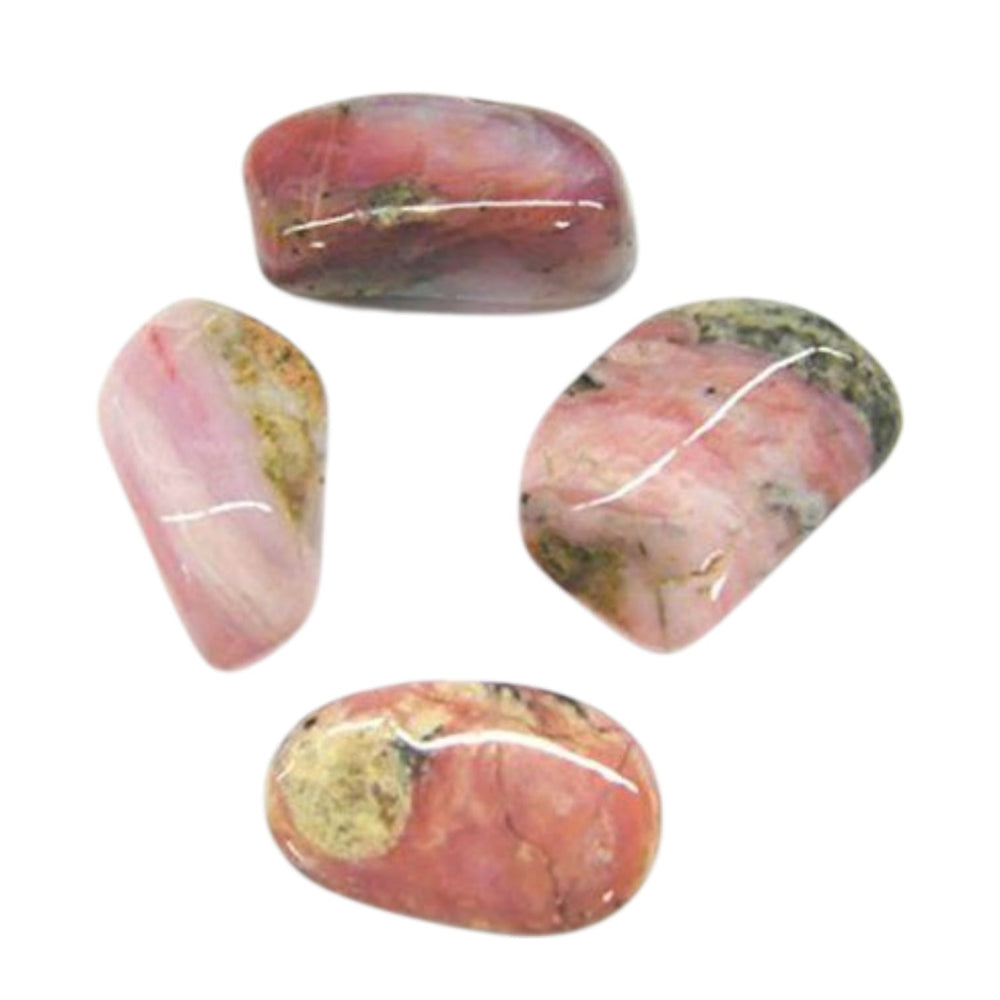
Discover the striking mineralogical character of Ilvaite from Megali Livadi, Serifos, Greece, an iron-rich calcium silicate mineral associated with one of the Aegean's most fascinating historic mining regions. Recognised for its typically dark colouration, distinctive crystal habits and complex iron chemistry, Ilvaite offers an intriguing combination of geological significance and natural beauty. The mineral's formation is closely linked to iron-rich, calcium-bearing environments, making it particularly appealing to collectors of silicate minerals, skarn deposits and Mediterranean mineral localities.
Originating from the celebrated mineral-producing island of Serifos in the Cyclades, this 75 g specimen represents a region renowned for its iron deposits and exceptional mineralogical diversity. Megali Livadi is closely associated with the island's mining heritage, where mineralisation developed through complex geological processes involving igneous activity and surrounding rocks. Whether displayed as a distinctive natural object, appreciated for its scientific characteristics or added to a curated collection of Greek minerals, this Ilvaite specimen offers a compelling connection to the geological history of the Aegean.
Distinctive Mineral Species: Ilvaite is an iron-rich calcium silicate recognised for its unusual chemistry and characteristic dark crystal forms.
Historic Greek Locality: Attributed to Megali Livadi, Serifos, Greece.
Geological Interest: Associated with iron-rich skarn mineralisation and contact-metamorphic processes.
Collector Appeal: Particularly relevant to collectors of Greek minerals, silicates and classic European mineral localities.
Individual Natural Specimen: A 75 g piece with its own mineralogical character.
Accessible Collecting: A distinctive mineral specimen offered at £20.
Geological Formation
Ilvaite commonly forms in calcium-rich, iron-bearing skarn environments, where hot fluids associated with igneous activity react with surrounding rocks and alter their original mineral composition.
Skarn deposits can develop when heat and chemically active fluids from an intrusive igneous body interact with carbonate-bearing rocks. These processes promote the formation of calcium-iron silicate minerals, including Ilvaite, alongside other minerals characteristic of contact-metamorphic and hydrothermal environments.
The Geology of Serifos
Serifos is particularly celebrated for its iron-rich mineral deposits and complex geological history. The island's mineralisation is associated with magmatic intrusion, hydrothermal activity and reactions involving surrounding metamorphic rocks.
These processes created favourable conditions for the formation of iron-rich mineral assemblages, including Ilvaite.
Mineral Composition
Ilvaite is a calcium iron silicate hydroxide mineral with the chemical formula CaFe²⁺₂Fe³⁺Si₂O₇O(OH).
Its composition is especially interesting because it contains iron in both the ferrous (Fe²⁺) and ferric (Fe³⁺) oxidation states.
This mixed-valence iron chemistry is a defining characteristic of Ilvaite and contributes to its distinctive mineralogical identity.
Mineralogical Significance
Ilvaite provides an excellent example of how geological heat, fluid chemistry and interactions between different rock types can produce complex silicate minerals.
Its occurrence at Serifos is particularly interesting because of the island's established reputation for skarn-related mineralisation and historic iron mining.
The precise host-rock relationships and formation sequence of this individual specimen have not been independently confirmed.
Mineral Name: Ilvaite
Chemical Formula: CaFe²⁺₂Fe³⁺Si₂O₇O(OH)
Mineral Class: Silicates
Silicate Subclass: Sorosilicates
Crystal System: Orthorhombic
Mohs Hardness: Approximately 5.5–6
Typical Colour: Black, dark brown or brownish-black
Typical Lustre: Submetallic to vitreous
Typical Streak: Black to brownish-black
Transparency: Generally opaque
Specific Gravity: Approximately 3.9–4.1
Typical Crystal Habit: Prismatic crystals, sometimes with striated faces, or massive aggregates
Chemical Characteristics
Ilvaite contains calcium, iron, silicon, oxygen and hydrogen. Its mixed-valence iron content makes it a particularly interesting mineral for studying oxidation states and the chemistry of iron-bearing silicates.
Crystal Structure
Ilvaite crystallises in the orthorhombic crystal system and belongs to the sorosilicate subclass, characterised by linked pairs of silicate tetrahedra within its crystal structure.
Identification
Ilvaite may be recognised by its dark appearance, relatively high density, characteristic crystal habits and association with skarn mineral assemblages.
These are general mineralogical characteristics. The precise crystal habit, chemical composition and associated minerals of this individual specimen have not been independently analysed.
Within contemporary crystal traditions, Ilvaite is sometimes symbolically associated with grounding, resilience, determination and personal stability. These interpretations reflect its iron-rich composition, dark appearance and geological formation rather than scientifically demonstrated energetic effects.
Grounding & Stability
Ilvaite's dark colour and association with iron-rich rocks may be interpreted as symbols of steadiness and connection with the Earth. Crystal practitioners sometimes connect such minerals with themes of remaining centred during periods of change.
Resilience & Determination
The complex geological conditions responsible for Ilvaite's formation can symbolise endurance, adaptability and the gradual development of strength.
Focus & Reflection
Within modern symbolic crystal practices, Ilvaite may be appreciated as a reminder of concentration, thoughtful decision-making and perseverance.
Connection to Geological Heritage
For collectors, Ilvaite also offers a tangible connection to the Earth's geological processes and the historic mineral-working communities of Serifos.
These associations are spiritual or cultural interpretations and should not be understood as medical, psychological or scientifically established effects.
Root Chakra — Muladhara
Ilvaite is sometimes associated with the Root Chakra in contemporary crystal symbolism because of its dark colour, iron-rich chemistry and geological origins.
The Root Chakra traditionally represents stability, security, grounding and a sense of connection with the physical world.
Solar Plexus Chakra — Manipura
As a less established contemporary interpretation, Ilvaite may also be associated with the Solar Plexus Chakra through symbolic themes of determination, confidence and personal resolve.
These associations vary between crystal traditions and are not scientifically established mineral properties.
Capricorn — Patience & Endurance
Ilvaite may be symbolically paired with Capricorn because of the sign's traditional associations with discipline, persistence, structure and responsibility.
Taurus — Stability & Connection to Nature
Taurus provides another possible contemporary symbolic association through themes of steadiness, appreciation of the natural world and connection with the Earth.
These are interpretive pairings rather than historically established or scientifically validated zodiac correspondences for Ilvaite.
Earth — Stability & Material Structure
The Earth element is associated symbolically with stability, endurance, practicality and the physical world.
Ilvaite's formation within iron-rich geological environments makes Earth a complementary symbolic association.
Fire — Transformation & Geological Energy
Fire may also be used as a modern symbolic interpretation because Ilvaite can form through geological processes involving igneous heat and high-temperature mineral reactions.
These elemental correspondences are symbolic traditions rather than scientific mineral classifications.
Smoky Quartz — Grounding & Stability
Smoky Quartz is traditionally associated with steadiness, grounding and practical awareness. Its translucent brown-grey appearance provides an attractive visual contrast with darker Ilvaite specimens.
Hematite — Iron-Rich Mineral Comparison
Hematite is an iron oxide mineral associated symbolically with strength and grounding. It also provides an interesting scientific comparison with Ilvaite because both minerals contain iron but belong to different mineral classes.
Clear Quartz — Clarity & Contrast
Clear Quartz is traditionally linked with focus and reflective awareness. Its transparency and silicate composition make it a complementary mineral for both symbolic arrangements and educational displays.
Garnet — Geological Diversity
Garnet-group minerals can occur in metamorphic and skarn environments. Displaying Garnet alongside Ilvaite provides an opportunity to explore different silicate structures and geological formation conditions.
These pairings reflect contemporary crystal symbolism or mineral-display considerations, not scientifically demonstrated energetic interactions.
Mineral: Ilvaite
Chemical Formula: CaFe²⁺₂Fe³⁺Si₂O₇O(OH)
Mineral Classification: Sorosilicate
Origin: Megali Livadi, Serifos, Greece
Region: Cyclades, South Aegean, Greece
Geological Association: Iron-rich skarn mineralisation
Specimen Type: Natural mineral specimen
Weight: 75 g
Price: £20
Dimensions: Not provided
UV Response: Not confirmed
Collection Reference: Not supplied
Handling
Ilvaite has a Mohs hardness of approximately 5.5–6, making it harder than many delicate secondary minerals but still susceptible to scratches, chips or damage from harder materials.
Handle carefully, particularly if the specimen contains exposed crystals or fragile matrix.
Cleaning
Use a soft, dry brush to remove loose surface dust. Avoid aggressive scrubbing, abrasive materials, ultrasonic cleaners and harsh chemical cleaning products.
Do not soak the specimen unless its associated minerals and matrix have been positively identified as suitable for water cleaning.
Storage & Display
Display on a stable surface away from accidental impacts and excessive handling.
Keep separate from harder minerals, particularly Quartz, where direct contact could cause scratching.
Avoid prolonged exposure to excessive heat, high humidity or chemically aggressive environments.
Long-Term Preservation
A protected mineral cabinet or stable display shelf can help preserve the specimen's natural surfaces and reduce dust accumulation.
Megali Livadi, Serifos, Greece
Megali Livadi is situated on the island of Serifos in the Cyclades, part of Greece's South Aegean region.
Serifos is historically associated with iron mining and is internationally recognised by mineral collectors for its skarn-related mineral assemblages.
The island's geological development involved igneous intrusion and interaction with surrounding rocks, producing complex mineral deposits that include iron-rich silicates.
Collecting Significance
Ilvaite from Serifos is particularly relevant to collectors of classic European mineral localities, Greek mineral specimens and skarn minerals.
Provenance Note
This specimen is attributed to Megali Livadi, Serifos, Greece. Its exact collecting point, collection date and chain of ownership have not been independently documented.
1. What is Ilvaite?
Ilvaite is a calcium iron silicate hydroxide mineral belonging to the sorosilicate subclass.
2. Where does this specimen originate?
It is attributed to Megali Livadi, Serifos, Greece.
3. What is the chemical formula of Ilvaite?
CaFe²⁺₂Fe³⁺Si₂O₇O(OH).
4. What colour is Ilvaite?
Ilvaite typically appears black, dark brown or brownish-black.
5. How does Ilvaite form?
It commonly forms in skarn environments associated with igneous activity, hydrothermal fluids and reactions involving calcium-rich rocks.
6. What is a skarn deposit?
A skarn is a mineral assemblage formed through chemical reactions and fluid-driven alteration, commonly involving igneous intrusions and carbonate-bearing rocks.
7. Why is Serifos famous for minerals?
Serifos is known for its historic iron mining and its diverse skarn-related mineral deposits.
8. What crystal system does Ilvaite belong to?
Ilvaite crystallises in the orthorhombic crystal system.
9. How hard is Ilvaite?
It has a Mohs hardness of approximately 5.5–6.
10. Does Ilvaite contain iron?
Yes. Ilvaite contains both ferrous and ferric iron as part of its chemical composition.
11. Does this specimen fluoresce under UV light?
No UV response has been confirmed for this individual specimen.
12. How much does this specimen weigh?
It weighs 75 g.
13. Is Ilvaite suitable for mineral collectors?
Yes. It is particularly interesting to collectors of silicate minerals, skarn assemblages and classic Greek mineral localities.
14. Which chakras are associated with Ilvaite?
Some contemporary crystal interpretations associate Ilvaite with the Root Chakra and, less commonly, the Solar Plexus Chakra.
15. What minerals pair well with Ilvaite?
Smoky Quartz, Hematite, Clear Quartz and Garnet offer complementary symbolic associations or interesting mineralogical comparisons.
Natural Specimen: This is a naturally formed mineral specimen. Variations in crystal habit, colour, surface texture and associated mineral material are part of its geological character.
Mineral Identification: Offered under the supplied identification of Ilvaite. No specimen-specific laboratory verification has been provided.
Locality: Megali Livadi, Serifos, Greece. The precise collecting site and full provenance history have not been independently confirmed.
UV Response: No ultraviolet fluorescence or other UV response is claimed.
Please Note: Refer to the product photographs for the individual appearance and condition of the specimen offered.
Metaphysical Disclaimer
Chakra, zodiac, elemental and crystal-pairing associations reflect traditional and contemporary crystal beliefs rather than scientifically established effects.
We offer reliable and carefully managed delivery services to ensure your order arrives safely and securely.
Royal Mail Tracked 48 — £3.80
Available for smaller parcels weighing up to 2kg, with an estimated delivery time of 2–3 working days after dispatch.
DHL / DPD Courier Delivery — £6.87
Available for UK mainland deliveries weighing up to 20kg, providing a reliable service for larger or heavier orders.
All orders are carefully packaged to protect your specimens during transit.
Shipping options and applicable charges are confirmed at checkout.
Thank you for choosing GeoFossils.

