


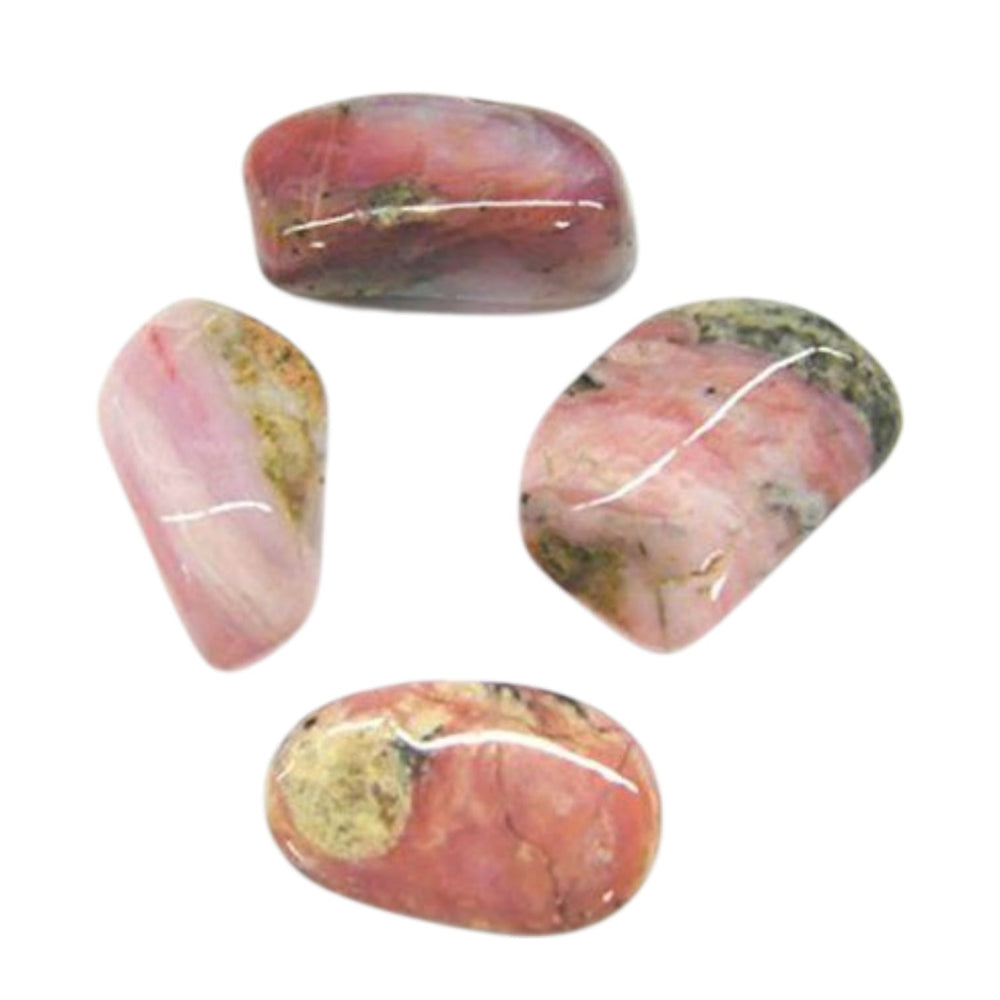
Dr T.K Devon Collection | TD897 | 50 g | £24
Discover the fascinating mineralogical character of Coloradoite from the Bassie G Mine, La Plata County, Colorado, United States. Coloradoite is an uncommon mercury telluride mineral with the chemical formula HgTe, distinguished by its unusual chemistry and association with hydrothermal ore deposits. Representing a particularly interesting branch of mineral science, this specimen offers collectors an opportunity to explore the diverse metallic minerals found within Colorado's historic mining regions.
Originating from the Dr T.K Devon Collection, reference TD897, this 50 g specimen carries a recorded collection association alongside its geological significance. Coloradoite is especially appealing to collectors of rare mineral species, tellurides, metallic ore minerals and American mining localities. Its distinctive composition makes it an intriguing addition to a specialist mineral collection or carefully curated geological display.
Important: Coloradoite contains mercury as part of its chemical composition. This specimen is intended for secure, enclosed mineral display and should not be used for jewellery, direct-contact crystal practices, crystal water or elixirs.
Uncommon Mineral Species: Coloradoite is a mercury telluride mineral with the chemical formula HgTe.
Historic American Locality: Attributed to Bassie G Mine, La Plata County, Colorado, USA.
Collection Provenance: Recorded as part of the Dr T.K Devon Collection, reference TD897.
Mineralogical Interest: An excellent subject for studying telluride minerals and hydrothermal ore formation.
Specialist Collecting Appeal: Particularly suited to collectors of metallic minerals, rare species and Colorado mining specimens.
Individual Specimen: A natural 50 g collector's specimen with its own geological character.
Geological Formation
Coloradoite is associated with hydrothermal ore-forming environments, where heated, mineral-bearing fluids circulate through fractures and openings in the Earth's crust.
As these fluids interact with surrounding rocks and undergo changes in temperature, pressure and chemical conditions, dissolved elements can precipitate as mineral deposits. Under suitable conditions, mercury and tellurium combine to form Coloradoite.
Telluride minerals are particularly interesting because tellurium can form compounds with several metallic elements, including gold, silver and mercury. These minerals provide valuable insights into the chemistry and evolution of hydrothermal ore systems.
Mineral Composition
Coloradoite is composed of mercury and tellurium, represented by the chemical formula HgTe.
It belongs to the telluride minerals, a group characterised by compounds containing tellurium combined with metallic elements.
Unlike common silicate minerals such as Quartz, Coloradoite does not contain a silicon-oxygen framework. Its mineralogical identity is defined by its mercury-tellurium composition and crystal structure.
Geological Significance
Colorado's historic mining regions contain a diverse range of metallic ore minerals associated with complex geological processes.
Coloradoite is of particular scientific interest because mercury-bearing tellurides are considerably less familiar than common rock-forming minerals.
The precise formation sequence, host-rock composition and associated minerals of this individual specimen have not been independently confirmed.
Mineral Name: Coloradoite
Chemical Formula: HgTe
Chemical Composition: Mercury Telluride
Mineral Classification: Telluride; commonly grouped within the broader sulfide mineral class
Crystal System: Cubic (Isometric)
Crystal Structure: Sphalerite-type
Mohs Hardness: Approximately 2.5–3
Typical Colour: Grey to black
Typical Lustre: Metallic
Typical Transparency: Opaque
Specific Gravity: Approximately 8.1
Typical Occurrence: Massive, granular or fine-grained mineral aggregates
Physical Characteristics
Coloradoite is a relatively soft, dense mineral. Its high specific gravity reflects the presence of heavy elements within its chemical composition.
It may occur as fine-grained material or in association with other ore minerals, although the exact mineral associations present in this specimen have not been analytically established.
Scientific Identification Note
These are general reference properties of Coloradoite. The exact proportion of Coloradoite in this specimen and any associated mineral species have not been independently determined through laboratory analysis.
Coloradoite is primarily appreciated for its mineralogical rarity, geological origins and scientific significance rather than for a long-established tradition of crystal healing.
Within contemporary symbolic crystal practices, metallic and Earth-derived minerals are sometimes associated with themes of stability, resilience, transformation and discovery.
Transformation & Change
Coloradoite's formation through complex geological processes may symbolise transformation, adaptation and the gradual development of the natural world.
Knowledge & Curiosity
As an uncommon mineral species, Coloradoite can represent exploration, scientific curiosity and a deeper appreciation of Earth's mineral diversity.
Connection to the Earth
Its geological origins and metallic composition may be interpreted as symbols of endurance, material structure and the hidden complexity of natural processes.
These are contemporary symbolic interpretations rather than established mineral-specific metaphysical traditions.
Safety Note: Due to its mercury content, Coloradoite should not be used for direct-contact meditation, body placement, crystal water or hands-on spiritual practices. Symbolic appreciation should be limited to observation within a suitable enclosed display.
Root Chakra — Muladhara
Coloradoite does not have a widely recognised traditional chakra association.
Within contemporary symbolic interpretations, its geological origins and metallic character may be associated with the Root Chakra, traditionally connected with stability, security and grounding.
This is an interpretive association rather than an established historical correspondence.
Because Coloradoite contains mercury, it should remain enclosed rather than being placed on the body during chakra practices.
Capricorn — Structure & Endurance
Coloradoite does not have a universally established zodiac correspondence.
As a contemporary symbolic interpretation, Capricorn may be considered a complementary association because of its traditional themes of patience, structure, resilience and connection with the material world.
These astrological associations are interpretive and are not scientifically established properties of Coloradoite.
Earth — Stability & Geological Heritage
The Earth element symbolises structure, endurance, material stability and connection with the natural world.
Coloradoite's origins within mineralised geological deposits make Earth a complementary symbolic association.
This interpretation relates to contemporary elemental traditions rather than Coloradoite's scientific chemical classification.
Clear Quartz — Clarity & Mineralogical Contrast
Clear Quartz provides an interesting comparison with Coloradoite, highlighting the difference between common silicate minerals and unusual telluride species.
Pyrite — Metallic Mineral Diversity
Pyrite is an iron sulfide mineral recognised for its metallic lustre. Displaying Pyrite alongside Coloradoite offers an opportunity to compare different classes of metallic minerals.
Calcite — Structural & Chemical Diversity
Calcite, a calcium carbonate mineral, provides a contrasting example of mineral composition and crystal structure.
Important Display Consideration
These minerals are suggested as complementary display specimens rather than as scientifically demonstrated energetic combinations. Coloradoite should be kept within its own secure enclosure, separate from other specimens.
Mineral: Coloradoite
Chemical Formula: HgTe
Mineral Group: Tellurides
Origin: Bassie G Mine, La Plata County, Colorado, United States
Collection: Dr T.K Devon Collection
Collection Reference: TD897
Weight: 50 g
Price: £24
Specimen Type: Natural collector mineral specimen
UV Response: Not confirmed
Laboratory Analysis: Not provided
Please Note: This is a natural mineral specimen. The supplied mineral identification, locality and collection reference have been retained as provided. Natural surface features, variations in mineral distribution and associated matrix may be present.
Handling
Coloradoite contains mercury within its chemical composition and requires specialist handling precautions.
Keep the specimen in a secure, clearly labelled enclosure. Avoid unnecessary direct contact. If handling is essential, use appropriate protective gloves and wash hands thoroughly afterwards.
Cleaning
Do not wash, soak, scrub, grind, polish or brush the specimen.
Avoid ultrasonic cleaners, steam cleaning, compressed air and chemical cleaning agents. These processes may damage the specimen or disperse potentially hazardous particles.
Storage
Store in a securely closed display container away from children, pets, food and personal-care items.
Protect from excessive heat, accidental impacts and situations where fragments or dust could escape.
Breakage
If the specimen becomes damaged or releases loose particles, avoid dispersing the material. Isolate it and seek suitable hazardous-material handling advice.
Disposal
Do not place Coloradoite or its fragments in ordinary household waste. Follow appropriate local guidance for mercury-containing hazardous materials.
Not Suitable For
Jewellery, direct skin contact, crystal water, elixirs, ingestion, heating, grinding or hands-on therapeutic practices.
Bassie G Mine, La Plata County, Colorado, United States
La Plata County is located in southwestern Colorado, a region recognised for its complex geological history and historic mineral exploration.
The wider region contains mineralised deposits associated with igneous activity and hydrothermal processes, providing an important geological context for the study of metallic ore minerals.
Dr T.K Devon Collection — TD897
This specimen is recorded as part of the Dr T.K Devon Collection under reference TD897.
The collection reference is retained to preserve its supplied collecting history and provide a clear identifier for future cataloguing.
The original collection date, specific extraction circumstances and complete chain of ownership have not been independently verified.
1. What is Coloradoite?
Coloradoite is a mercury telluride mineral with the chemical formula HgTe.
2. Where does this specimen originate?
It is attributed to Bassie G Mine, La Plata County, Colorado, United States.
3. Is Coloradoite a rare mineral?
Coloradoite is an uncommon mineral species, particularly when compared with widely occurring minerals such as Quartz or Calcite.
4. What is Coloradoite made of?
It contains mercury and tellurium, represented chemically as HgTe.
5. What crystal system does Coloradoite belong to?
Coloradoite crystallises in the cubic, or isometric, crystal system.
6. How hard is Coloradoite?
It has a Mohs hardness of approximately 2.5–3.
7. How does Coloradoite form?
Coloradoite is associated with hydrothermal ore-forming processes in which mineral-bearing fluids deposit metallic minerals under suitable geological conditions.
8. Does Coloradoite contain mercury?
Yes. Mercury is an essential component of Coloradoite's chemical composition.
9. Is Coloradoite safe to handle?
Coloradoite requires precautions because of its mercury content. It is best kept in a secure, labelled enclosure, with unnecessary handling and dust generation avoided.
10. Can Coloradoite be used in crystal water?
No. Mercury-bearing minerals should never be placed in drinking water or used to prepare crystal elixirs.
11. Does Coloradoite fluoresce under UV light?
No UV response has been confirmed for this specimen.
12. What does TD897 refer to?
TD897 is the supplied collection reference associated with the Dr T.K Devon Collection.
13. How much does this specimen weigh?
The specimen weighs 50 g.
14. Who would collect Coloradoite?
Coloradoite is particularly relevant to collectors interested in telluride minerals, rare species, metallic ore deposits and historic American mining localities.
15. Does Coloradoite have metaphysical properties?
There are no widely established mineral-specific metaphysical traditions for Coloradoite. Any symbolic associations are contemporary interpretations rather than scientifically demonstrated effects.
Natural Specimen: Coloradoite is a naturally occurring mercury telluride mineral. Natural variations and associated mineral material may be present.
Identification: The specimen is offered under the supplied Coloradoite identification. The exact mineral percentage and associated phases have not been independently confirmed.
Provenance: Bassie G Mine, La Plata County, Colorado, United States. Dr T.K Devon Collection, reference TD897. The supplied provenance has not been independently authenticated.
UV Response: No ultraviolet fluorescence is claimed or guaranteed.
Safety: Contains mercury. Store securely, avoid direct contact and prevent dust generation, heating or breakage. Keep away from children and pets.
Metaphysical Disclaimer
Chakra, zodiac, elemental and crystal-pairing associations reflect traditional and contemporary crystal beliefs rather than scientifically established effects.
We offer reliable and carefully managed delivery services to ensure your order arrives safely and securely.
Royal Mail Tracked 48 — £3.80
Available for smaller parcels weighing up to 2kg, with an estimated delivery time of 2–3 working days after dispatch.
DHL / DPD Courier Delivery — £6.87
Available for UK mainland deliveries weighing up to 20kg, providing a reliable service for larger or heavier orders.
All orders are carefully packaged to protect your specimens during transit.
Shipping options and applicable charges are confirmed at checkout.
Thank you for choosing GeoFossils.

