

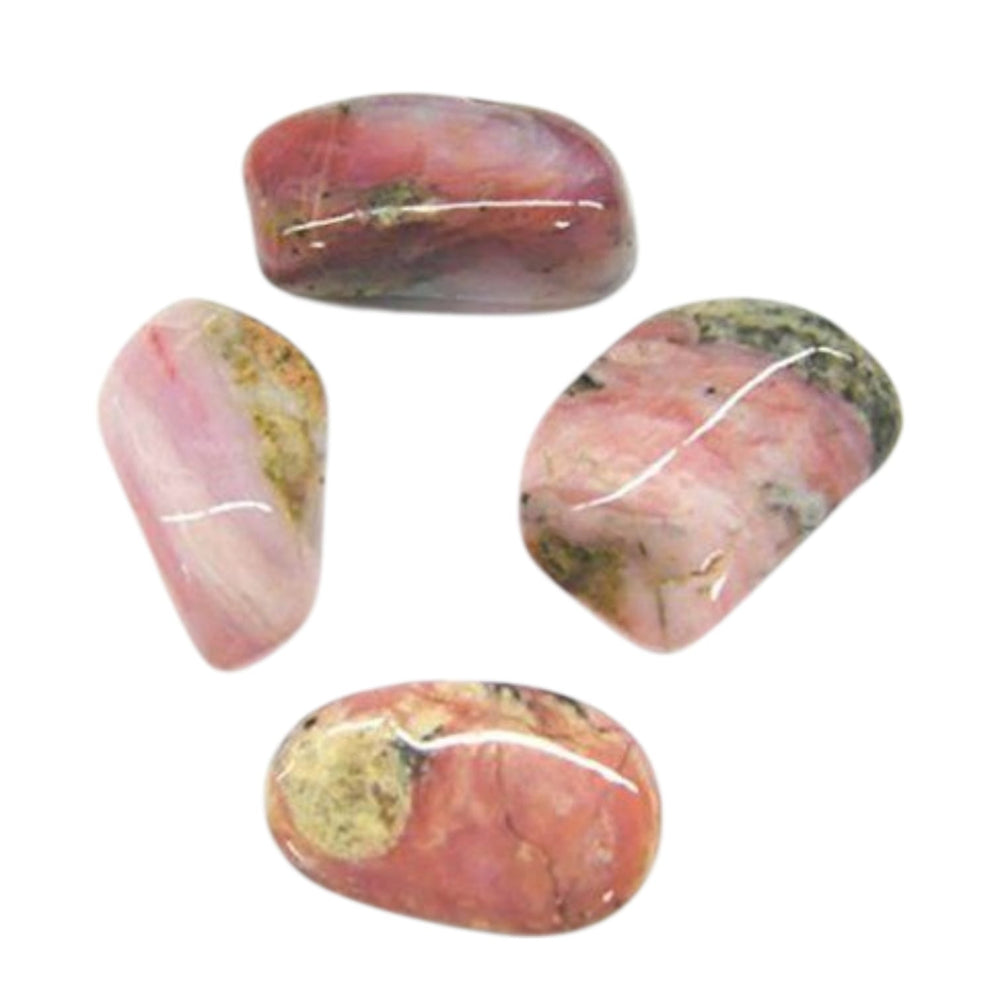

Own an individually selected Libyan Desert Glass Specimen, photographed so you can choose the exact specimen you will receive.
Each specimen displays its own natural combination of colour, transparency, texture and form, making every piece unique. Preserved in its natural condition, these specimens showcase the distinctive characteristics that have made Libyan Desert Glass one of the world's most recognisable natural impact glasses.
Suitable for impact glass, meteorite and natural history collections, every specimen is supplied exactly as shown in the photographs.
Specimen Preparation
These specimens are supplied in their natural raw condition. No polishing, stabilisation or enhancement has been carried out, preserving their original surface textures and natural appearance.
Why Choose This Specimen?
| Feature | Benefit |
|---|---|
| Specimen Supplied | We hand select one for you. |
| Raw natural condition | Preserves the specimen's original surface textures and natural form. |
| Individually catalogued | Each specimen has its own GeoFossils identification number. |
| Naturally unique | Every specimen differs in colour, transparency and texture. |
| Natural impact glass | A distinctive example of one of Earth's best-known impact glasses. |
| Collector quality | An excellent addition to impact glass, meteorite and natural history collections. |
Scientific Information
| Property | Information |
|---|---|
| Official Name | Libyan Desert Glass |
| Product Type | Impact Glass Specimen |
| Classification | Natural Impact Glass |
| Preparation | Raw |
| Treatment | None |
| Locality | Great Sand Sea |
| Country | Egypt / Libya |
Origin
Great Sand Sea
Egypt / Libya
Care Instructions
Handle with care and avoid dropping onto hard surfaces. Store separately from harder minerals to help preserve the specimen's natural surface characteristics. Clean gently with a soft, dry cloth or brush if required.
Please Note
- Every Libyan Desert Glass specimen is naturally unique.
- Natural variations in colour, transparency, texture, shape and surface features are expected and are not considered faults.
Shipping Information
We offer reliable and carefully managed delivery services to ensure your order arrives safely and securely.
Royal Mail Tracked 48 — £3.80
Available for smaller parcels weighing up to 2kg, with an estimated delivery time of 2–3 working days after dispatch.
DHL / DPD Courier Delivery — £6.87
Available for UK mainland deliveries weighing up to 20kg, providing a reliable service for larger or heavier orders.
All orders are carefully packaged to protect your specimens during transit.
Shipping options and applicable charges are confirmed at checkout.
Thank you for choosing GeoFossils.
You may also like

More from GeoFossils
Recently viewed